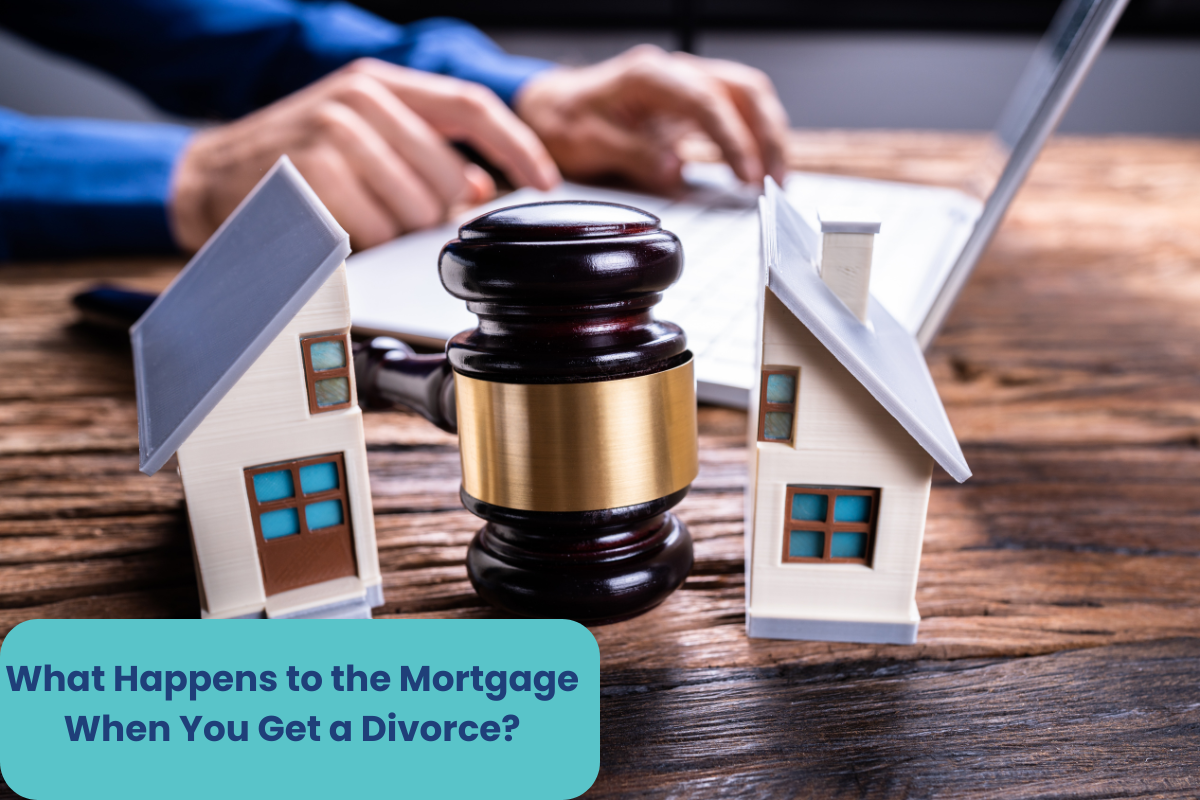
Even amicable separations can involve tough issues, and one of the most pressing for couples is often what happens to a mortgage in a divorce.
Many people assume that if a divorce decree assigns the home or mortgage debt to one spouse, the other spouse is automatically removed from responsibility. Unfortunately, that’s not always the case. Even after the divorce is final, both spouses may remain legally responsible for the mortgage loan unless specific steps are taken to change the loan or transfer ownership.
When you know how divorce and mortgage loans interact, you can make informed decisions as you work through the divorce process.
Who Pays the Mortgage During a Divorce?
During a divorce, the existing mortgage is the responsibility of the people who signed the loan documents. If both spouses are listed on the mortgage, both are legally obligated to make payments unless a court order or separation agreement provides otherwise.
North Carolina courts may enter temporary orders addressing who pays household expenses while a divorce is pending. In some cases, one spouse continues living in the home and pays the mortgage. In others, the spouses may agree to share the payments until the property is sold.
Several factors can affect who pays the mortgage during a divorce, including:
- Whether one spouse stays in the marital home
- Each spouse’s income and financial resources
- Temporary support arrangements
- Agreements reached through negotiation or mediation
- Court orders regarding possession of the home
Even if a court directs one spouse to make the mortgage payments, the lender may still hold both borrowers responsible. Missing payments can negatively affect both spouses’ credit scores and financial standing.
Who Gets the House?
Determining who keeps the family home is often one of the most significant issues in a divorce.
North Carolina is an equitable distribution state, which means marital property is divided fairly rather than strictly equally. Depending on the circumstances, several outcomes may be possible, including:
- One spouse keeps the home and buys out the other spouse’s interest –This arrangement often requires refinancing the mortgage into the name of the spouse who is retaining the property.
- The spouses sell the home and divide the proceeds according to the divorce agreement or court order – Selling the property is appropriate when neither spouse can comfortably afford the mortgage alone.
- The divorcing couple agrees to delay selling the home, and both remain on the loan – This arrangement occasionally occurs when children are involved to minimize disruptions to their living situation.
When the decision is left to the courts, the judge will consider factors such as:
- The home’s equity
- Each spouse’s financial situation
- Child custody arrangements
- Either spouse’s ability to refinance
- Any contributions to the home’s value
- Other marital assets available for distribution
- Whether the home is marital or separate property
What Happens to the Mortgage?
Ownership of the property and responsibility for the mortgage are separate issues. A spouse who receives the house through equitable distribution should also address the joint mortgage obligation. Otherwise, the other spouse’s name may stay attached to the loan, despite no longer owning the property.
It’s important to review both the deed and the mortgage documents. Removing a spouse from the title does not automatically remove that spouse from liability for the mortgage debt.
Refinancing often provides the clearest path to separating mortgage responsibilities after a divorce. A successful refinance can remove one spouse from the loan entirely.
What Happens If One Spouse Stops Paying the Mortgage?
When one spouse is responsible for making mortgage payments but fails to do so, it can create problems for both spouses. Even if a divorce agreement assigns the mortgage to one spouse, the lender can generally pursue payment from any borrower listed on the loan. That can result in:
- Damage to your credit score
- Late fees and penalties
- Collection efforts by the lender
- Foreclosure proceedings
- Trouble with future loan approval
Many people are surprised to learn that a divorce decree does not change the lender’s contractual rights. The lender was not a party to the divorce action and is not required to release a borrower simply because a court order assigns the debt to someone else.
If your former spouse stops making payments, you may need to take action to protect your financial interests. North Carolina courts have the authority to enforce certain provisions of divorce-related agreements and orders when one party fails to comply.
What Does an Acceleration Clause Do?
Many mortgage agreements contain an acceleration clause. This provision gives the lender the right to demand immediate payment of the entire remaining loan balance under certain circumstances. A lender may invoke an acceleration clause after a borrower defaults on mortgage payments or violates other terms of the loan agreement.
Once acceleration occurs, the mortgage lender may require payment of the full outstanding balance rather than accepting monthly installments. If the debt remains unpaid, foreclosure proceedings may follow.
Not every divorce triggers an acceleration clause. However, divorcing spouses should carefully review their mortgage documents and understand any lender requirements before transferring ownership interests.
Frequently Asked Questions About Divorce and Mortgage
Some of the most frequently asked questions about mortgages during divorce that our family law attorneys hear include:
Can I remove my spouse from the mortgage without refinancing?
In many cases, refinancing is the easiest way to remove an ex-spouse from a mortgage loan. However, some lenders may offer loan assumption options if you qualify.
Does transferring the deed remove someone from the mortgage?
No. The deed controls ownership of the property. The mortgage establishes responsibility for the loan. A spouse can be removed from the deed and remain liable for the mortgage.
What happens if neither spouse wants the house?
The property may be sold, and the proceeds can be distributed according to the divorce agreement or court order.
Will late mortgage payments affect both spouses after divorce?
If both spouses remain borrowers on the mortgage loan, any missed payments can affect both of your credit reports – even if the divorce was finalized long ago.
Contact Caulder & Valentine Law Firm, PLLC for Legal Guidance on Mortgages After Divorce
When your family’s home and your financial future are at risk, you deserve a skilled legal advocate who can help you feel confident and protect your rights throughout the divorce process.
The team at Caulder & Valentine Law Firm, PLLC offers more than 25 years of combined legal experience handling complex family law matters throughout North Carolina. Our divorce attorneys provide comprehensive legal representation and extensive trial experience while maintaining a solutions-focused, client-centered approach.
That dedication has led to a history of meaningful results for our clients, such as a divorce case in which we helped a hard-working engineer protect his paid-off home and over $1 million in assets.* As one client described working with us:
“I would highly recommend Josh Valentine. From the outset, Josh demonstrated a deep understanding of family law and a genuine concern for the well being of all parties involved.
Josh was always accessible, promptly answering all of my questions and addressing my concerns with patience and clarity. He guided me through every step of the process, ensuring that I fully understood my options and felt supported throughout.” – Matt Collier
If you have questions about divorce and mortgage issues, contact us today to discuss your legal options with an experienced divorce attorney.
*Each case is unique, and past results do not guarantee future outcomes.